Nurturing Citizenship with a Contest
How student citizens got the vote out
When I attended middle school in the late 20th century, numerous contests with prestige awards and cash prizes were offered at school. Driven by the goal of winning, students competed against peers. There were joyous celebrated winners and saddened losers.
Flash forward to the 21st century. While contests still exist, many educators and administrators explicitly avoid publicizing them. Since they are actively fostering the school community, they dread the emotional defeat and pain possible for students who intently compete only to "lose."
But contests can connect students, drawing them together as collaborators, creators, contributors, community citizens and celebrators of the many multifaceted approaches to a contest prompt.
Get Out the Vote Contest
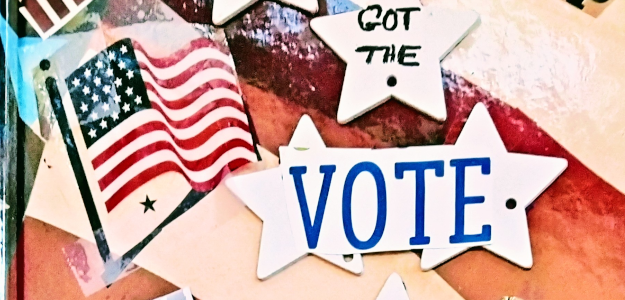
Schools in New York City hosted a school-wide "Get Out the Vote" contest to promote active citizenship. To qualify for the contest, each student had to do one interview with an adult relative or older first-time adult about their first time or regular voter experience. They then created a written interview or reflection statement to communicate the student’s take away. Each student participant in the contest also had to develop an original graphic component that included the text "I Got the Vote Out."
Zoe Sealey
Zoe Sealey, is in her third year of leadership activities at Dock Street, a Title I school in Dumbo, Brooklyn. Encouraged by Principal Marie Juste, students lead ongoing projects at school and Zoe serves as an ambassador supporting incoming upper elementary students as they transition to middle school.
"Everybody has a different experience on why you should vote and who you should vote for. So I interviewed a person on their opinions. I asked my mom why she votes, and this was her response. One important thing she said was that as an African American and a female we didn’t always have the right to vote, so now we have to inorder to protect it. We have to show people by voting that being able to vote is important. After listening to her, I feel these reasons are important because it highlights good reasons why you should vote and why people may feel like they have to.

In my composition, I tried to incorporate elements that represent New York and the United States. I live and grew up in Brooklyn, NY and want to show New Yorkers, like my mom, think voting is important. I added the Brooklyn Bridge, the Statue of Liberty, and the stars and stripes from the US flag. I decided to space the letters in a way that captures the audience's attention, yet not distract from the art and details in the background. The handwritten words say NYC and I voted, to emphasis the theme of the project. The stars have each of the boroughs written within them to show the unity of New York voters."
The school's entries were varied, reflecting different grades, reading and writing levels, cultures, families and hand-drawn, graphic, and painting skills. While initiated throughout the school, the Social Studies class was already focusing on the voting process and its history. The afterschool art club teacher coached students through their artist’s statements explaining their purposeful designs. Peers ended up in deep discussions about the ways the materials reflected or expressed artist purpose.
Fiza Kamran
Sophomore artist, Fiza Kamran taps into over three years of youth leadership. During her time at Ditmas IS 62, she served as a United Nations Junior Ambassador, developed posters for a Ukraine War awareness campaign and communicated her native Pakistani values with acrylic paint designs. Fiza designed the logo for the Ditmas Writing Institute and has had her artwork displayed on school banners and t-shirts. Fiza leveraged her “artivist” designs and status as a Pennsylvania Council for Social Studies, Starr Leader to gain admission to Astoria Frank Sinatra School of the Arts.

Fiza’s illustration depicts the diverse cultures of voters. Since many immigrants casting ballots are viewed negatively, Fiya chose to blacken cultural icons to get viewers to focus on the casting of a ballot. The hand with the raised finger demonstrates the power and control of each person voting. Fiza literally "builds" the power of voting through her colored pencils’ dense expertly detailed illustration, shades and colors.
The PTA invited some of the contest participants in to discuss parent’s first voting experiences. With 41 different nationalities and mixed nationality families, students shared a rich tapestry of experiences for both as citizens of the United States and those in other countries. Student engagement spread to our school newspaper and voting experiences became the theme of our pre-November issue.
The results
All of this happened at a middle Title 1 school in Brooklyn, even before the entries were formally submitted to the national contest for judging and competition for the cash prize and publication. None of our students went on to win, but the contest connected our middle school students to citizenship ideals through conversations, reflections, art, photographs and exhibitionism with feedback from an adult community audience and peers.
Even if students have little statistical chance of winning, organizing a school-wide contest can help you promote culture and climate, address academic and social goals and engage students in learning. Collaborating, contributing, participating, communicating and celebrating demonstrates that the work students do in school can have a significant impact beyond the school's physical site.
So when will your next contest be?



 Most Read