Sharing Student Expertise with the World
8 Ideas to move student work from practice to participation, from assignment to impact, from the classroom to the world.
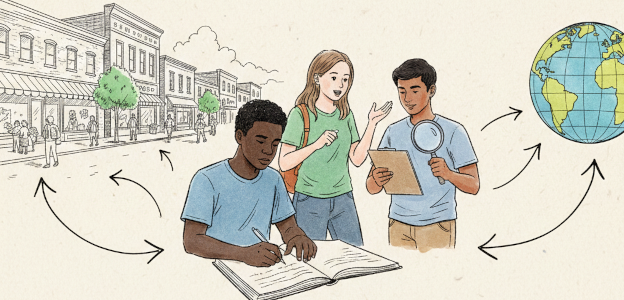
When students know their work will live beyond the classroom, everything changes.
The questions become sharper. The writing becomes clearer. The design becomes more intentional. Most importantly, students begin to see themselves not just as learners completing assignments, but as contributors with knowledge worth sharing.
Authentic audiences don’t require a national stage. Consider showcasing student work for professionals in your area, family members, community partners, and/or local businesses.
Here are eight showcase ideas, along with topic ideas, to get you started.
1. Host mini-conference or trade show
Hosting a mini-conference transforms the classroom into a professional environment where students act as subject-matter experts. This format moves beyond traditional oral presentations by encouraging 1-on-1 dialogue and networking between students and their audience, which may include parents, peers, or community members. The structure encourages synthesis, public speaking, and visual communication — all while celebrating student expertise.
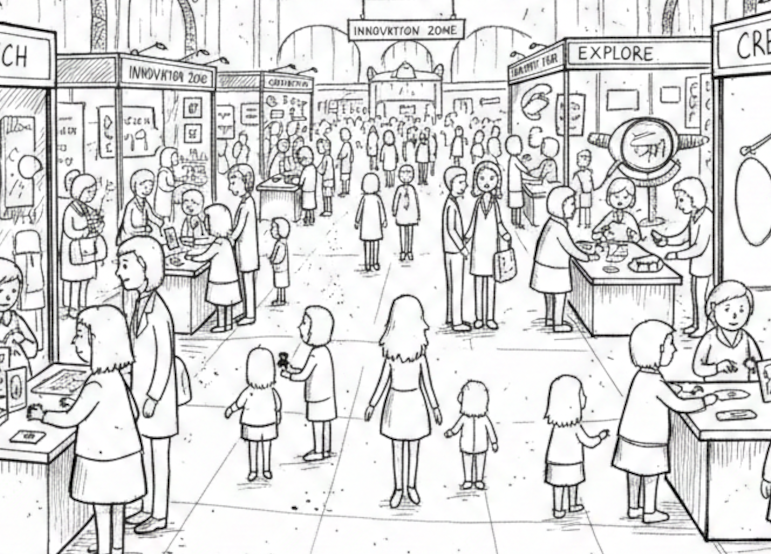
A prime example is a Tourism Trade Show. In this context, students research different states or countries and set up booths featuring "tourism pitches." Parents visit as potential travelers, collecting student-made stickers, postcards, and sample itineraries while students use refined oral arguments to convince them to visit their designated location. A science class could host a Sustainable Living Expo, a social studies class could a community expo.
2. Present to a panel of experts
Invite local designers, engineers, nonprofit leaders, healthcare workers, or entrepreneurs to serve as a critique panel. Presenting to experts adds a layer of professional accountability and gives real meaning to feedback. When students know their work will be scrutinized by people who do the job for a living, they focus more on technical accuracy and real-world applicability. This works exceptionally well for project-based learning (PBL) units involving engineering or product design.
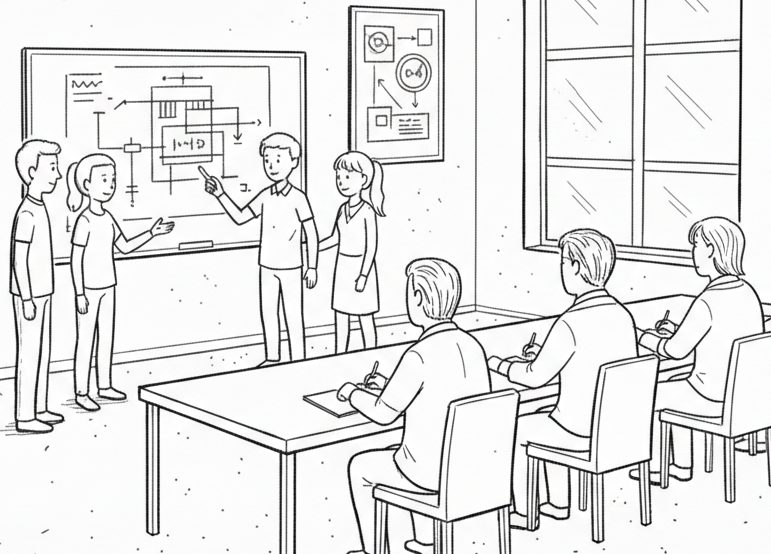
After designing a Pop-Up Plaza, students might pitch their plans to a city councilmember, architect or a parks department representative. Students learn real-world skills as they articulate decisions, respond to critique, and revise their ideas.
3. Build a website for a community partner
Building a site for an external entity shifts the project from schoolwork to contract work. It teaches students about digital citizenship and user experience, as they must cater to the branding and navigation needs of a real organization rather than just their teacher's rubric. By hosting it on someone else's official domain, students create a permanent community resource, ensuring their research reaches a wider audience.
Students might collaborate with a local historical society to build a Suitcase Stories website hosted by a local historical society showcasing the journeys of immigrants who have moved there. They could create a virtual museum to showcase the art or artifacts of your communities culture.
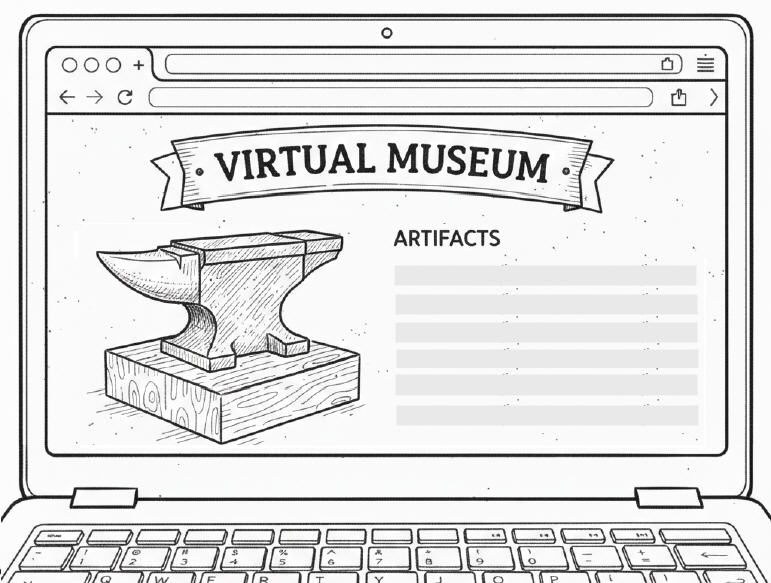
Environmental students might create a watershed awareness site linked from a conservation organization or informative health sites for local citizens.
4. Develop informational brochures and flyers
Print products become powerful when distributed beyond school. Informational brochures not only provide students with a lesson in concise communication and graphic design, they also provide a low-cost and simple opportunity to produce something of value to someone outside of the classroom. Creating informational flyers gives their work an immediate, tangible impact on community education.
For example, your students might create wildlife guides for a local park or nature center, researching native species and trail safety, then design flyers that the park can print and distribute to visitors.
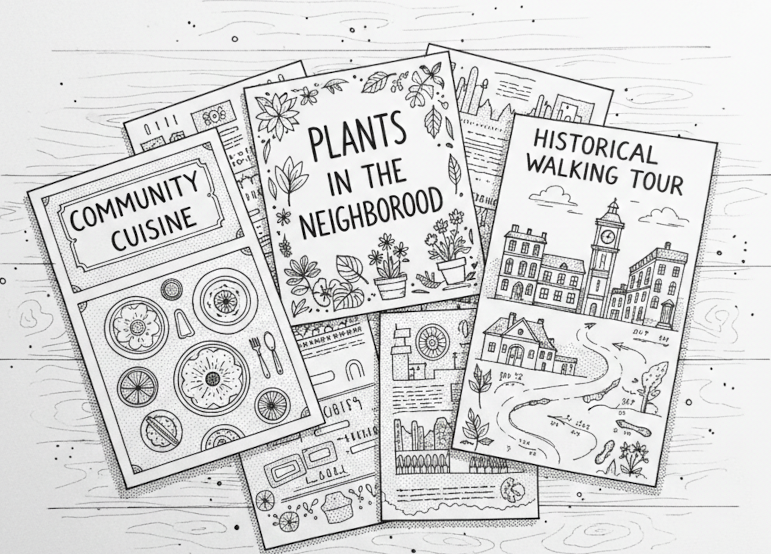
Students can create brochures for farmers markets, bilingual flyers for clinics, or informational materials for libraries and local events. Elementary students studying pollinators might design rack cards for a garden center. A civics class might create voter information guides for teens approaching voting age.
5. Produce and air public service announcements
Public Service Announcements (PSAs) require students to distill a message into a high-impact, 30-to-60-second video. This medium challenges them to use persuasive language and visual storytelling to influence public behavior or raise awareness about critical issues.
Coordinate with a local access cable channel to broadcast to the entire community and give students a civic voice. As they learn scripting, storyboarding, filming, and persuasive techniques, students see media as a tool for advocacy, not just entertainment.
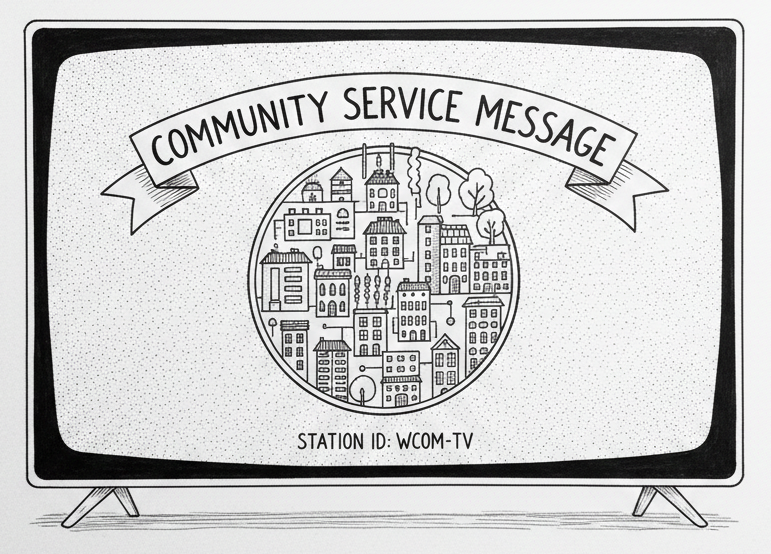
Short, focused video messages about cyber-bullying, kindness and digital citizenship. Creative Educator has specific lessons for PSAs that spread information about:
6. Publish video biographies and documentaries
Documentary storytelling helps students preserve stories that matter. Publishing on video sharing sites turns a classroom project into a reusable educational tool for non-profits and community groups who may lack the resources to produce their own high-quality video content.
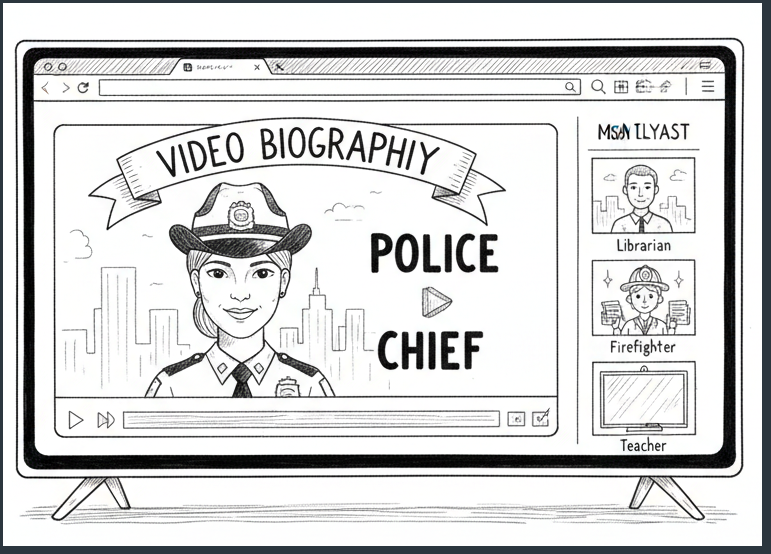
Students might create video biographies of veterans, documentaries about small businesses, or oral histories of long-time residents. These projects build research, empathy, and digital storytelling skills — while creating resources others can use.
7. Collect and publish scientific data
Engaging in "citizen science" allows students to contribute to real-world datasets. This approach emphasizes that science is a process of discovery and community contribution rather than just a set of facts to be memorized. Publishing reports, dashboards, or presentations reinforces that science informs real decisions.
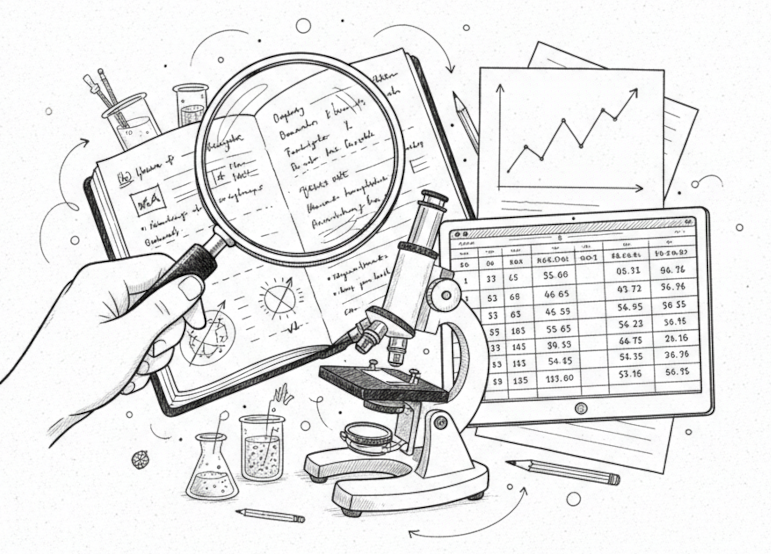
Monitoring water quality, tracking weather patterns, or conducting biodiversity counts allows them to collect meaningful data and share findings with environmental groups or local agencies. For example, by collecting data on a specific watershed—such as pH levels or species counts—and publishing it through a local environmental agency’s blog, students provide "interpretive materials" that help the community monitor the health of their own backyard.
Here are some public projects you might be able to join.
- World Wildlife Federation: Green Club Guide
- Zooniverse
- US Government
- National Geographic
- Globe (bundles)
- STEM Fizzicseducation STEM and UNSDGs
8. Host a public forum or debate
A public forum invites students into civic participation, and provides a venue for students to inform, raise awareness, and debate important issues. This format builds soft skills like civil discourse, active listening, and public speaking, while positioning students as active participants in local democracy.
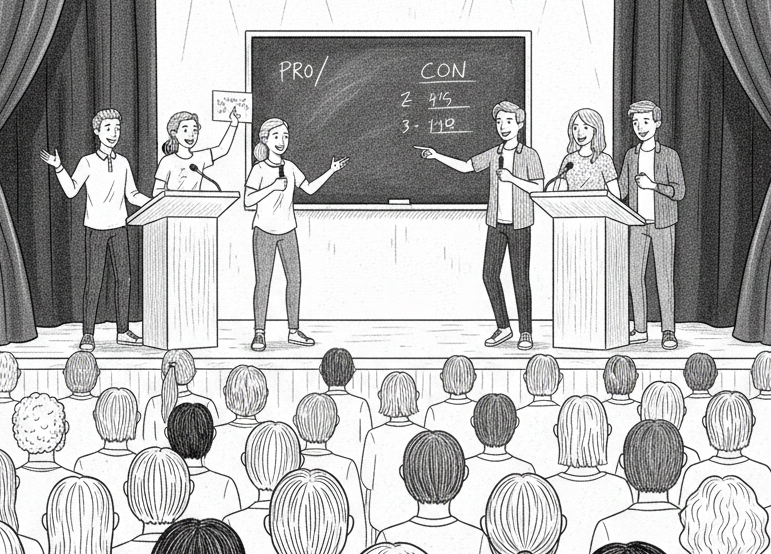
A forum could center on a local issue, such as a new town ordinance or an environmental concern. Students prepare fact sheets, balanced presentations, and discussion prompts. As they present their research and host a moderated discussion, they practice respectful discourse and critical thinking.
Take small steps to get started
If these projects seem like huge undertakings, move students work into the real world with classroom products you distribute to the community. Students are motivated by realworld products because they see themselves as active community contributors with knowledge worth sharing.
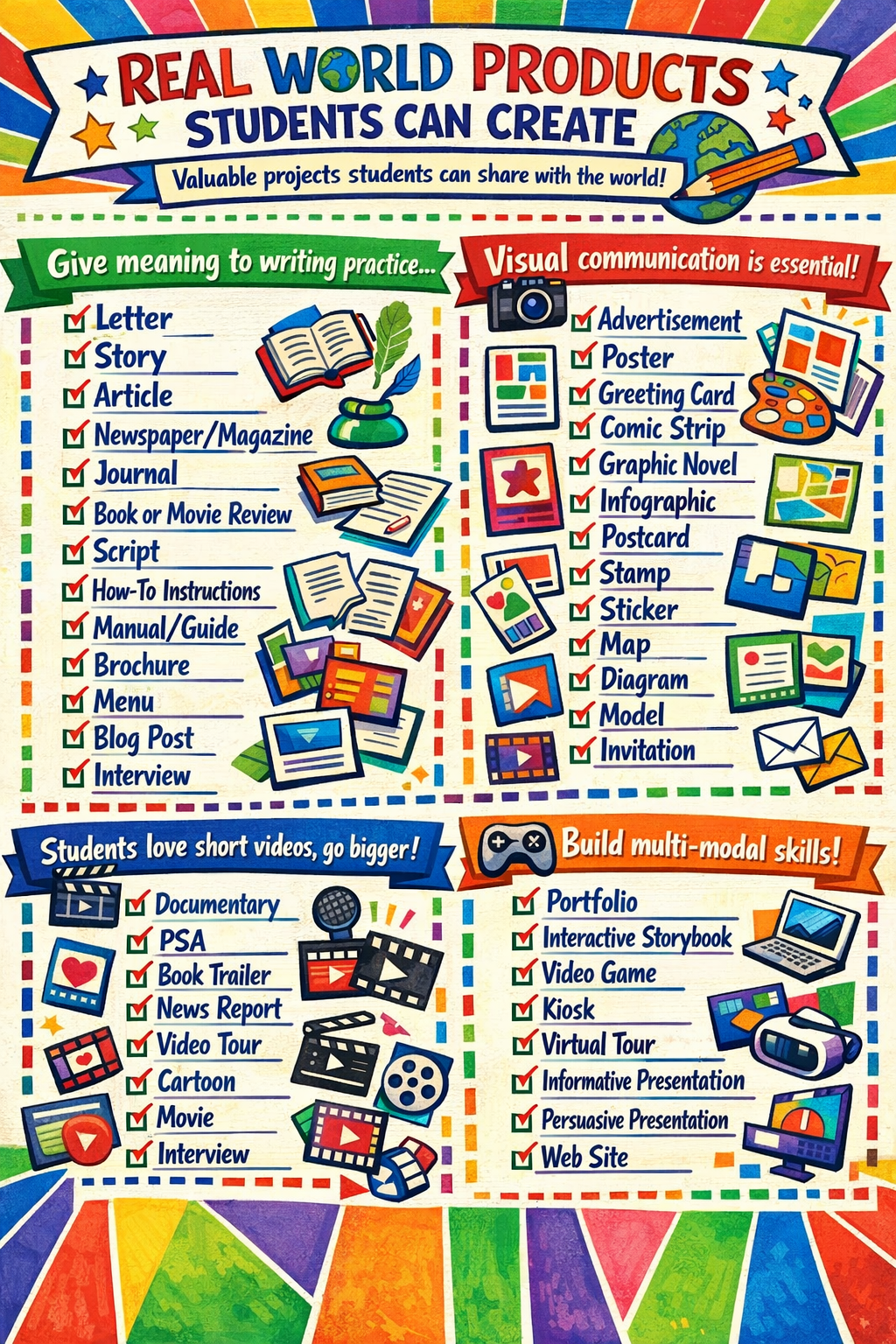
If you want to give meaning to writing practice, ask students to write letters to city council members, submit an editorial opinion to your local newspaper. If you have students who love to draw or doodle, have them transform classroom content into comics and graphic novels for your school library.
Students love short-form videos they see on video-sharing sites and social media, challenge them to go bigger with book trailers or news reports. And consider creating interactive games and stories (choose-your-own-adventure style) and keeping learning portfolios to build multimodal communication skills.
In addition to bringing the real world into your classroom, bring your classroom into the real world!

Melinda Kolk is the Editor of Creative Educator and the author of Teaching with Clay Animation. She has been helping educators implement project-based learning and creative technologies like clay animation into classroom teaching and learning for the past 15 years.


 Most Read